

Table of Contents
Communication systems are now a major part of every business. From internet calling and fibre optic networks to cloud communication systems, companies rely heavily on modern telecommunications infrastructure to operate smoothly.
As technology continues evolving across Canada, businesses need skilled professionals who can install, maintain, and troubleshoot communication systems.
This is why the Telephone Communication Technician Program at A1 Global College is becoming a strong career option for students seeking practical technical training.

1. Why Telecom Technicians Are in Demand
Canada’s telecommunications industry continues expanding due to:
- fibre optic internet growth
- 5G network expansion
- cloud communication systems
- smart business infrastructure
- increasing internet usage
“Canada’s telecommunications industry generated approximately $59.6 billion in revenue in 2023 and contributed an estimated $80.8 billion to the national GDP. With nearly 37 million mobile subscriptions, 96.4% of households having access to high-speed broadband, and 99.5% mobile network coverage nationwide, Canada’s growing digital infrastructure continues to drive demand for skilled telecommunications technicians across the country. – Madeinca.ca “
As companies upgrade their systems, they need trained technicians who can:
- install telecom equipment
- troubleshoot network issues
- support VoIP systems
- maintain communication infrastructure
- work with structured cabling and fibre optics
This creates strong opportunities for skilled telecom professionals across Ontario and Canada.
2. What Does a Telephone Communication Technician Do?
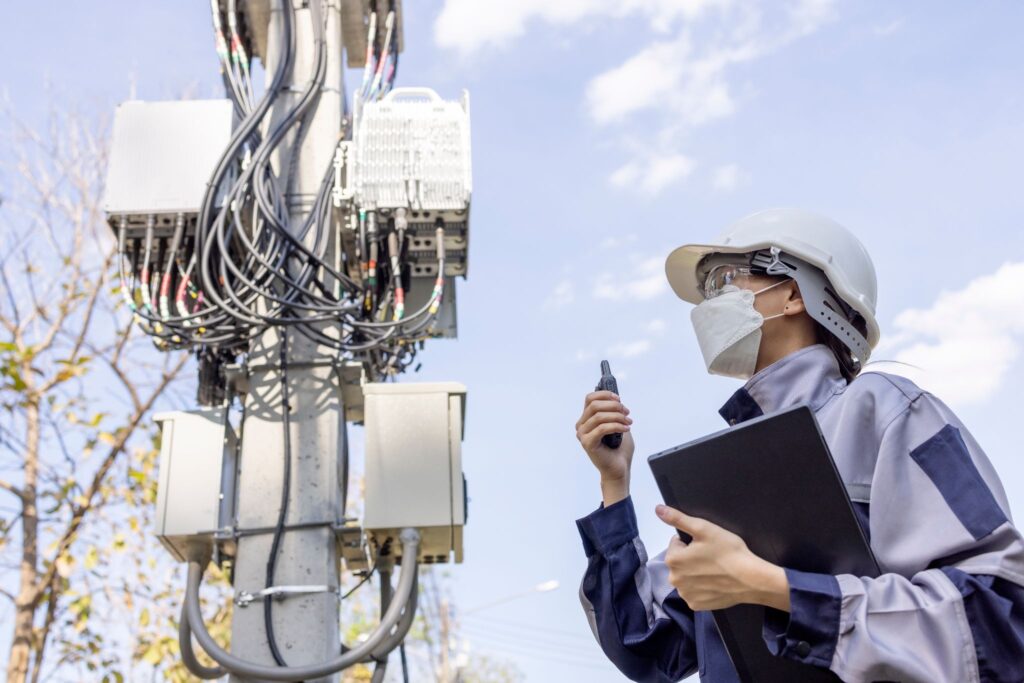
A Telephone Communication Technician works with communication systems used by businesses and organizations.

Their responsibilities may include:
- installing business phone systems
- configuring VoIP systems
- troubleshooting telecom issues
- maintaining communication networks
- installing structured cabling
- testing communication signals
- supporting fibre optic systems
These professionals may work in:
- telecom companies
- networking firms
- IT support companies
- infrastructure projects
- commercial buildings
“Telecommunications is the backbone of modern business – while technology evolves toward cloud, VoIP, and fibre networks, the real demand remains for skilled technicians who can install, maintain, and troubleshoot the systems that keep the world connected.”
3. Inside the Telephone Communication Technician Program at A1 Global College
The Telephone Communication Technician Program at A1 Global College focuses on practical industry-relevant training.
Students will learn:
- Advanced Networking Concepts
- Introduction to Networking
- Introduction to VoIP
- Network Configuration and Management
- OSI Model and Protocols
- Network Security Basics
- VoIP System Implementation
- Advanced VoIP Concepts and Case Studies
Program highlights
- 24-week diploma program
- Approximately 480 instructional hours
- 100% online delivery-study from anywhere in Ontario
- Hands-on technical training
- Career-focused curriculum designed for industry readiness
The program is designed for students who want practical skills and faster entry into the workforce.
4. Telephone Communication Technician Career Opportunities
The telecommunications industry offers a variety of career opportunities for students with practical technical skills. After completing the program, graduates may work in telecom companies, networking businesses, commercial infrastructure projects, and IT support environments where communication systems are installed and maintained.
Some common career paths include:
- Telecommunications Technician – Installs, maintains, and troubleshoots communication systems used by businesses and organizations.
- Fibre Optic Technician – Works with fibre optic cables and high-speed internet infrastructure.
- VoIP Technician – Supports internet-based phone systems and modern business communication networks.
- Structured Cabling Technician – Installs and manages communication cabling systems in commercial buildings.
- Telecom Maintenance Technician – Performs system testing, repairs, and ongoing maintenance of telecom equipment.
- Communication Systems Technician – Helps businesses maintain reliable communication and networking systems.
5. What Is the Average Telephone Communication Technician Salary in Canada?
Telecommunications salaries in Canada can vary depending on experience, technical skills, certifications, and job role. According to the Government of Canada Job Bank, telecommunications technicians in Ontario typically earn between $20 and $41 per hour, with the median wage around $33 per hour.
| Position | Estimated Hourly Wage |
| Entry-Level Telecom Technician | $20 – $25/hour |
| Telephone Communication Technician | $30 – $33/hour |
| Experienced Telecom Specialist | $36 – $41/hour |
Professionals with skills in fibre optics, VoIP systems, networking, and structured cabling may have stronger long-term career and earning opportunities in the telecommunications industry.
6. Why Choose A1 Global College for a Telecommunications Technician Program?
The Telephone Communication Technician Program at A1 Global College is designed for students who want practical, career-focused technical training without spending years in school. The program focuses on hands-on learning, industry-relevant skills, and shorter diploma pathways that help students prepare for real workforce opportunities faster.
This program may be a good fit for students who:
- enjoy working with technology
- prefer practical hands-on learning
- are interested in networking and communication systems
- want job-ready technical skills
- are looking for faster career-focused education
It is also a great option for:
- International students – looking to gain Canadian technical education and build practical skills for the telecommunications industry.
- Newcomers to Canada – seeking industry-relevant training that can help them transition into the Canadian workforce.
- Career changers – interested in moving into a technology-focused field with strong long-term demand.
- Adult learners – who want a structured diploma program that can help them develop new technical skills and career opportunities.
Additional benefits include:
- Financial aid options may be available for eligible students
- Career-focused curriculum
- Practical, industry-relevant training
- Supportive learning environment
7. Final Thoughts
As communication technology continues evolving across Canada, businesses increasingly need skilled professionals who can support modern telecom and networking systems. With growing demand in areas like fibre optics, VoIP, and communication infrastructure, practical technical skills are becoming more valuable than ever.
The Telephone Communication Technician Diploma at A1 Global College helps students build industry-relevant knowledge through hands-on training designed for real-world environments.
Click here to Register for the Telephone Communication Technician Program at A1 Global College today and take the first step toward your future.
“In a world powered by connectivity, skilled telecommunications technicians are not just supporting technology – they are helping businesses stay connected, productive, and future-ready.”